Discover the Crucial Guide to Art Book Printing for Aspiring Artists and Publishers
As an ambitious artist or author, understanding the nuances of art book printing is important to bringing your vision to life. You'll need to take into consideration various elements, from picking the best kind of book to ensuring color precision and picking suitable materials. Each choice impacts the end product substantially. What are the essential aspects you should concentrate on to create a spectacular art book that genuinely represents your job?
Understanding Different Sorts Of Art Books
When you plunge into the world of art books, you'll swiftly find that they can be found in numerous kinds, each customized to various imaginative expressions and target markets. Coffee table publications often showcase stunning visuals, ideal for casual browsing, while monographs dive deep into an individual artist's job, giving context and understandings. If you want details art activities, event magazines use in-depth paperwork of shows, featuring essays and critiques.
For training purposes, art handbooks and strategy books assist you through numerous mediums and designs, making them important for aiming artists. Each layout serves its function, and recognizing their distinctions can boost your art book journey.
Picking the Right Paper and Materials
Picking the right paper and materials can substantially impact the overall high quality and feeling of your art book. For dynamic shades and detailed details, opt for a glossy surface or a heavyweight matte paper that improves aesthetic deepness.
Think of the weight of the paper, as well. Thicker choices often lend a more expert appearance, while lighter papers can minimize printing prices. Do not neglect concerning the binding materials; a sturdy cover can safeguard your pages and contribute to the book's aesthetic.
Finally, consider sustainability. Environmentally friendly options are gaining popularity and can mirror your worths as a musician. By very carefully choosing your paper and materials, you'll guarantee that your art book not just looks great but additionally feels special in the hands of your viewers.

Choosing the Best Printing Strategies
When it involves publishing your art book, choosing between offset and electronic printing can significantly affect your final item. You'll likewise intend to take right into account how paper top quality impacts the total feel and look of your artwork. Allow's explore these vital printing techniques to locate the most effective suitable for your project.
Balanced Out vs. Digital Printing
While both offset and electronic printing have their benefits, selecting the appropriate method for your art book can greatly affect the end product. Countered printing provides high-quality pictures and vivid colors, making it excellent for larger print runs. If you're aiming to produce hundreds or hundreds of copies, balance out will certainly give you constant outcomes and lower per-unit expenses. On the various other hand, electronic printing excels for smaller amounts and quicker turn-around times. It permits simple modification, allowing you to print distinct copies without additional arrangement prices. Consider your budget, timeline, and the volume of your job. Inevitably, your selection should align with your creative vision and circulation approach, making certain that your art book reflects the quality you desire.
Paper High Quality Considerations
Choosing the right paper quality can significantly enhance the visual appeal and responsive experience of your art book. Beginning by taking into consideration the weight and appearance of the paper. Much heavier paper commonly really feels more glamorous and can better showcase vibrant colors and detailed information. For prints, a shiny surface can make photos pop, while a matte surface gives a softer, much more refined look. Do not neglect concerning the paper's brightness; brighter sheets can improve color precision and comparison.
Following, consider the sustainability of your option. Environment-friendly choices are becoming significantly prominent and can appeal to environmentally-conscious viewers. Request samples to see how various papers work with your art work, guaranteeing the last product shows your vision flawlessly.
Making Certain Color Accuracy in Your Prints
To attain sensational prints, you require to focus on shade precision from the begin. You'll desire to use color calibration strategies to confirm your screen and printer remain in sync. In addition, proofing your work before the last print pop over to this site run can aid capture any inconsistencies, assuring your art looks just as you visualized.
Shade Calibration Techniques
Assuring shade accuracy in your prints starts with effective color calibration methods that aid preserve uniformity in between your digital images and last published items. Next off, pick a shade account matched for your printing process, like CMYK for print materials. By regularly applying these methods, you'll improve the general quality of your art prints and better communicate your artistic vision.
Proofing for Accuracy
While you might believe your electronic pictures are prepared for print, proofing is essential for accomplishing color precision. Before devoting to a complete print run, constantly ask for an evidence from your printer.
If changes are needed, interact plainly with your printer about your wanted results. Don't hesitate to demand multiple proofs if essential; it's worth the financial investment to obtain it right. Inevitably, comprehensive proofing guarantees that your art work is represented as you pictured it, keeping your imaginative honesty throughout the printing procedure.
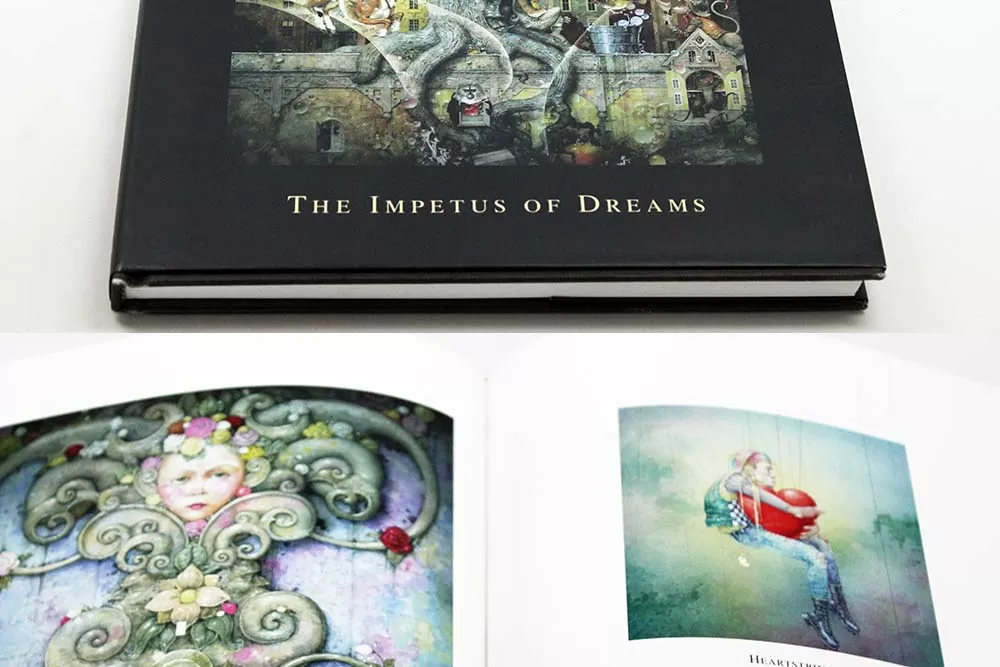
Creating Layouts That Enhance Your Art Work
When you develop formats for your art book, it's essential to contemplate exactly how each element interacts with your art work. Go for an equilibrium between visuals and message, making sure neither outweighes the various other. Use white area tactically; it gives your art work space to take a breath and accentuates its information.
Consider the flow of your book. Organize pictures in a manner that overviews the viewers's eye, developing a story or thematic development. art book. Vary the dimensions and positionings of your art work to maintain the design vibrant and interesting
Select font styles that match your artwork without distracting from it. Maintain text concise and pertinent, providing context or understanding that enhances the customer's experience.
Finally, examination various layouts. Print examples to see just how the layouts equate theoretically, and readjust as required. By thoughtfully designing your layouts, you'll develop an aesthetically appealing art book that resonates with your target market.
Binding Choices for a Professional Finish
Choosing the right binding choice can substantially affect the general presentation of your art book. You'll wish to consider both aesthetic appeals and longevity when making your choice. Popular options consist of ideal binding, which supplies a smooth appearance and is excellent for thicker books; saddle sewing, suitable for smaller sized booklets; and spiral binding, which permits web pages to lay flat for easy watching.
If you're aiming for a costs feel, instance binding is a superb choice, providing a durable cover and a professional look (art book). Do not forget the cover material; options like cloth, natural leather, or a glossy finish can boost your book's charm
Whatever option you select, ensure it enhances your art work and improves the reader's experience. Take your time to consider the pros and cons of each approach, so your end product shows the top quality of your imaginative vision.
Preparing Your Declare Print Readiness
To guarantee your art book is print-ready, you'll need to my link pay close interest to file prep work. Start by establishing your file dimension to match your preferred print dimensions.
Consider developing an evidence to evaluate prior to the last print run. Complying with these actions will certainly help you achieve a sleek, expert art book.
Frequently Asked Inquiries
What Is the Typical Cost of Publishing an Art Book?
The average cost of publishing an art book varies, yet navigate here you can anticipate to pay anywhere from $5 to $20 per copy, relying on elements like size, paper top quality, and printing volume.
Just How Can I Discover a Reliable Printing Firm?
To discover a trustworthy printing business, beginning by investigating on-line evaluations and asking other artists for suggestions. Contrast quotes, inspect profiles, and communicate your needs plainly to guarantee they comprehend your vision and quality assumptions.
What Is the Typical Turnaround Time for Printing?
The regular turnaround time for printing differs but normally varies from one to four weeks. Aspects like task complexity and quantity can affect this. Always validate with your chosen printer for particular timelines and assumptions.
Can I Print My Art Book in Limited Quantities?
Yes, you can absolutely publish your art book in restricted amounts. Several printing companies use short-run options, allowing you to generate just the number you require, making it easier to handle prices and inventory.
What Legal Factors To Consider Should I Know for My Art Book?
You ought to take into consideration copyright, licensing contracts, and version releases when producing your art book. Make sure you can utilize all photos and text, safeguarding on your own from potential legal concerns later on.